Living in Golf Balls: How the Dutch Experimental Bolwoningen Houses Survived 40 Years
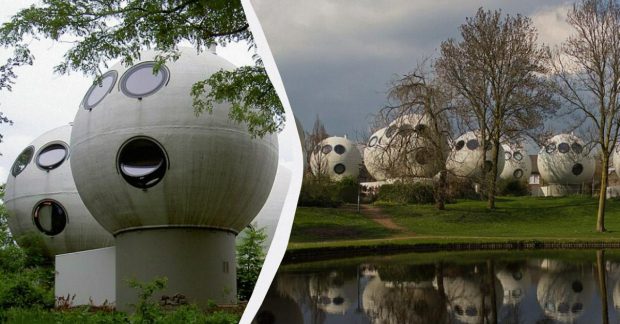
Built in 1984 as an affordable housing solution, 50 spherical homes in 's-Hertogenbosch continue to serve as functional residences and architectural landmarks.
 🏙️City
Photo: UNIAN
Key points
- 50 Bolwoningen spherical houses have been in use since 1984
- Architect Dries Kreijkamp used fiberglass and concrete for the 1.2-ton structures
- The 25 sqm living space is spread across three levels with round windows
In 1984, the Dutch city of 's-Hertogenbosch became home to a residential district that looks like a scene from a science fiction movie. Fifty white spherical houses, resembling giant golf balls, were constructed as a response to a severe shortage of affordable housing. Known as Bolwoningen, these structures remain inhabited today and stand as one of the most famous architectural curiosities in the Netherlands.
The Philosophy of Spherical Living
The project was the brainchild of artist and architect Dries Kreijkamp. He was convinced that spherical shapes were more natural for humans than traditional rectangular ones. "We live on a sphere, we are born from a sphere... So why not live in a sphere?" Kreijkamp argued. Drawing inspiration from Eskimo igloos and African clay huts, he believed that the absence of straight walls created a more harmonious living environment.
- Each sphere has a diameter of 5.5 meters and sits on a cylindrical concrete base.
- The structure weighs only 1,250 kg and is made of fiberglass and rock wool insulation.
- The design allowed for industrial prefabrication and rapid assembly.
While the total floor area is about 55 square meters, the actual usable living space is approximately 25 square meters. The interior is divided into several levels connected by spiral staircases: the bedroom is on the bottom, the bathroom in the middle, and a small living room with a kitchen at the top, where the natural light is most abundant.
From Experiment to Landmark
Despite the promises of low maintenance and quick assembly, the production of these houses proved too complex and expensive to scale. Residents also faced challenges with the curved walls, which made it difficult to arrange standard furniture or hang decorations. Consequently, Kreijkamp's dream of mass-producing mobile or floating spheres never fully materialized beyond the original 50 units.
Today, the Bolwoningen neighborhood remains a vibrant community. Located next to a canal and surrounded by greenery, the houses attract tourists from around the world. This experiment proves that even the most unconventional architectural ideas can endure for decades if they are well-maintained and integrated into the urban landscape.
Source UNIAN — unian.ua/curiosities/budinki-kuli-v-niderlandah-navishcho-u-1984-ro… ↗
Read next
 💼Economy
National Bank of Ukraine raises official exchange rates for dollar and euro
The NBU has updated the official exchange rates for November 24, recording an increase in the value of the dollar and euro following a previous decline.
 🩺Health
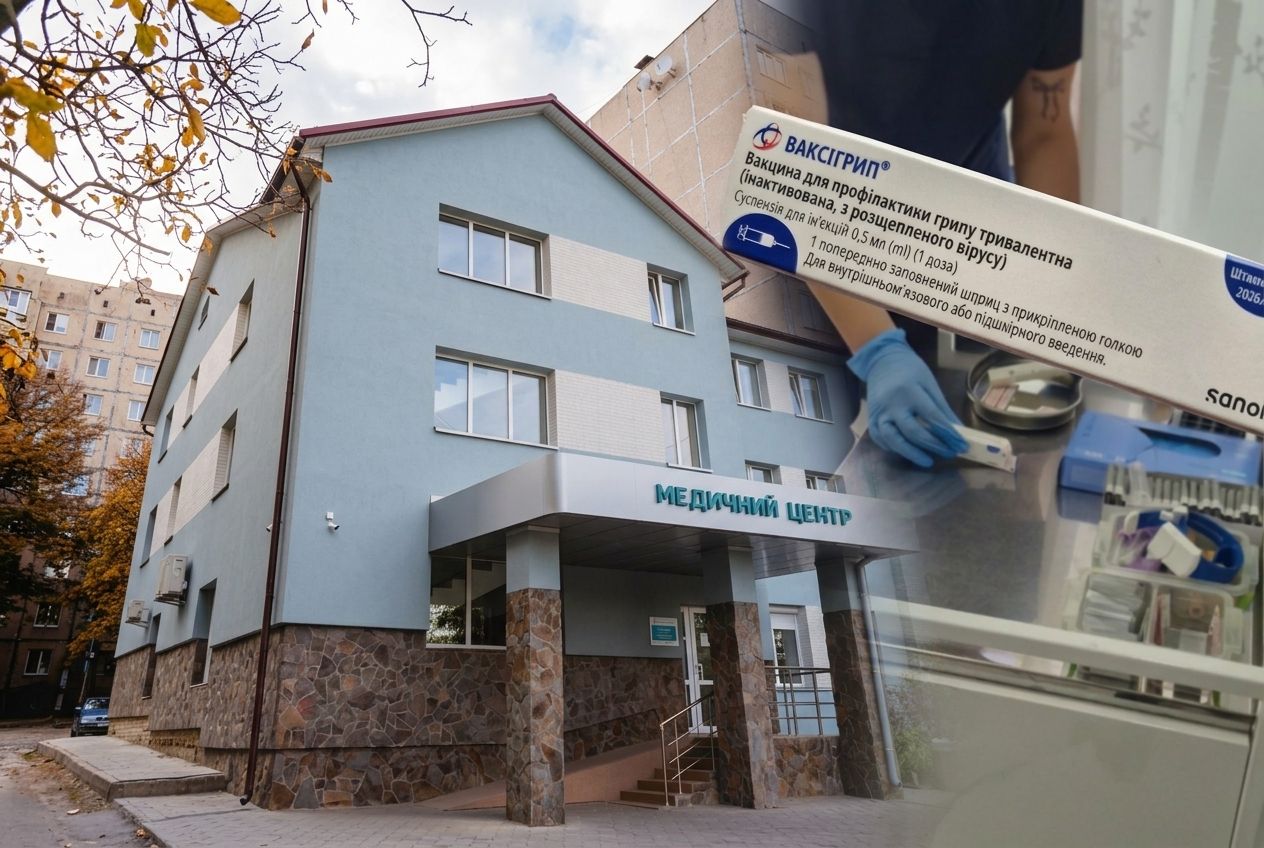
Flu vaccination in Vinnytsia region: supplies arrive at medical facilities
After a month-long delay, the first batches of flu vaccines have reached the Vinnytsia region. Doctors emphasize the importance of immunization throughout the entire epid…
 🛡️Security
Kremlin's Latest Nuclear Threats: Medvedev Claims Possibility of Preemptive Strike
Deputy Chairman of the Russian Security Council Dmitry Medvedev has once again voiced rhetoric regarding the potential use of nuclear weapons against Ukraine and Western …
 🇺🇦Ukraine
European Commission prioritizes multilateral format for peace talks
The European Commission has confirmed receiving an invitation from Russia but insists on maintaining a multilateral approach to negotiations.
 🧠AI Analysis
Drone Attack on Oil Refinery in Perm: Implications for Russia's Fuel Market
A fire broke out at a major Lukoil oil refinery in Russia's Perm Krai following a reported drone strike.
 🧠AI Analysis
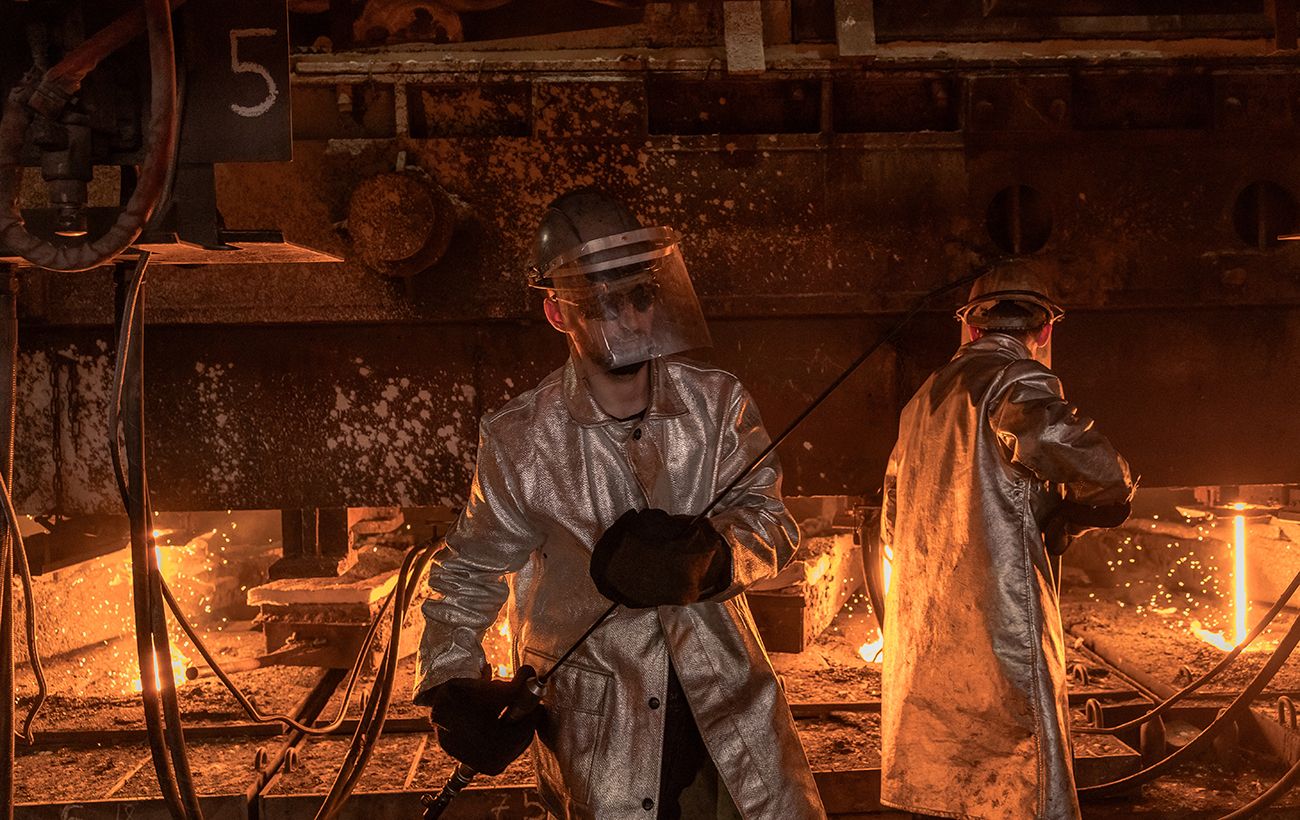
ArcelorMittal Kryvyi Rih Shutdown Threatens Reservation for Thousands of Metallurgists: Experts Demand Government Action
Due to production suspension at ArcelorMittal Kryvyi Rih, workers face losing economic reservation rights because of lower downtime wages. Experts urge the government to …