The History of the Calendar: Why We Celebrate New Year on January 1st
We explore the historical roots of New Year celebrations and learn how traditions have evolved over millennia.
 🎭Culture & Sport
Photo: TSN
Key points
- History of the January 1st date
- Impact of calendar reforms on celebrations
- Diversity of global New Year customs
From Ancient Rituals to Modern Times
The tradition of celebrating New Year on January 1st has deep roots dating back to Ancient Rome. While the modern world primarily relies on the Gregorian calendar, humanity has traveled a long path through various dating systems tied to natural cycles and religious holidays.
In Babylon, the beginning of the year was marked in spring, linked to the vernal equinox, while ancient Egyptians oriented themselves by the flooding of the Nile. The status of January 1st as the official start of the year was finally established by Julius Caesar, who dedicated this month to Janus, the two-faced god symbolizing the transition between the past and the future.
Evolution of the Calendar and Global Traditions
Medieval Europe for a long time lacked a unified date for the celebration, choosing Christmas or the Annunciation. Only after the introduction of the Gregorian calendar in 1582 did January 1st become the generally accepted standard. Today, every culture has its own unique customs: from eating grapes in Spain to the 108 bell tolls in Japanese temples.
Source TSN — tsn.ua/tsikavinki/koly-sviatkuiut-novyy-rik-chomu-data-prypadaye-na-1-s… ↗
Read next
 🛡️Security
Aviation Boost: Ukraine Expects Arrival of Gripen Fighters
President Volodymyr Zelensky announced the delivery of Swedish-made Gripen fighters starting in January. Efforts to counter Russian drone threats remain a top security pr…
 👥Society
Weather alert: Zhmerynka residents warned of icy conditions and a sharp temperature drop
On November 24, an active southern cyclone will hit Ukraine, bringing snow, ice, and gusty winds. Forecasters have issued a Level 1 weather warning.
 🩺Health
Health Ministry expects sufficient flu vaccine supplies in Ukrainian pharmacies
The Ministry of Health assures that despite supply delays, the country has received enough doses to protect against seasonal influenza.
 🛡️Security
Zelenskyy announces strengthened defense against Russian jet drones
President Volodymyr Zelenskyy held a Staff meeting focused on countering Russian jet-powered drones and increasing the production of domestic interception capabilities.
 💼Economy
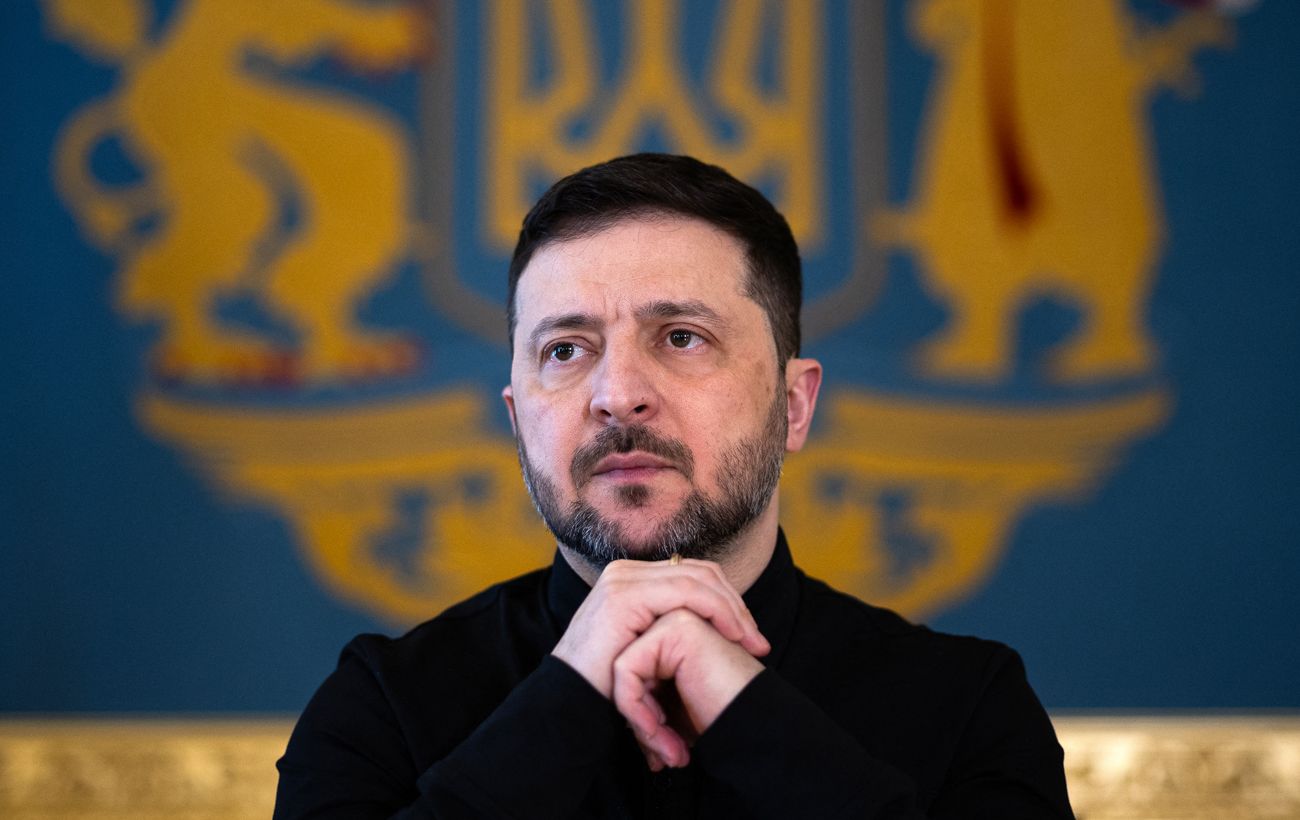
Energy System Protection: Authorities Prepare New Solutions to Stabilize Supply
President Volodymyr Zelenskyy held a meeting on strengthening the energy sector and restoring power supply in affected regions.
 🛡️Security
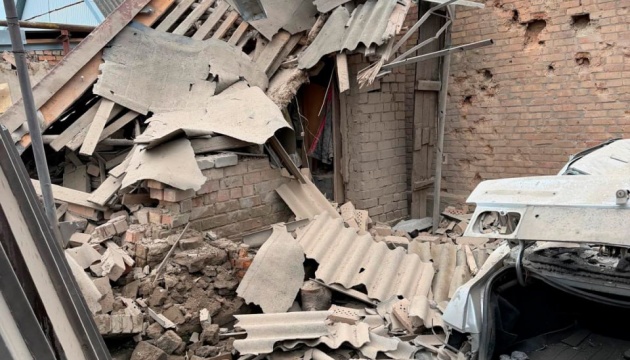
Consequences of massive attacks on Dnipropetrovsk region: two killed and infrastructure damaged
Russian forces launched 40 strikes on the Dnipropetrovsk region, resulting in two civilian deaths and damage to residential buildings.