Cascading Crisis in Metallurgy Threatens Local Budgets and the Economy
Production cuts in Ukraine's mining and metals sector are causing a shortage of tax revenues and jobs, negatively impacting national and local finances.
 💼Economy
Photo: UNIAN
Key points
- The metallurgical crisis has caused a massive drop in tax revenues
- Industrial cities are forced to cut development budgets and infrastructure projects
- GZK problems create a chain reaction for energy, transport, and small business
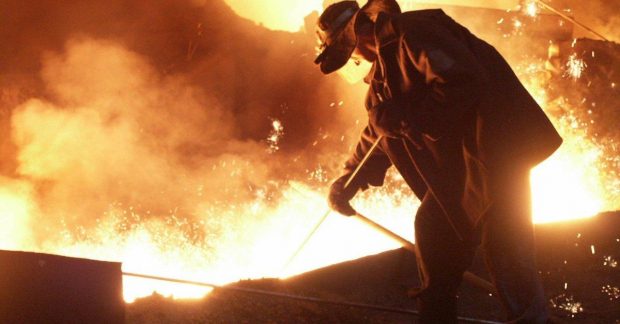
The current crisis in Ukraine's metallurgical industry has evolved into a systemic challenge for the country's economic stability. Due to a combination of destructive factors, including ongoing infrastructure shelling, complex logistics, and electricity shortages, sector enterprises are forced to reduce steel production and export volumes. This directly impacts tax payments to budgets at all levels.
Chain Reaction and Budget Losses
According to analytical data, leading enterprises in the industry show a significant decline in financial contributions. Specifically, Metinvest reduced its tax payments by 6% over three quarters, while VAT revenues dropped by 36%. The Dniprovskyi Metallurgical Plant experienced an even sharper decline, cutting its tax contributions by 46%. As Metinvest CEO Yuriy Ryzhenkov noted, the industry has reached a critical point where jobs and billions of hryvnias in revenue are at risk.
This process hits industrial cities and local budgets particularly hard. Reduced revenues from personal income tax and land fees force local authorities to implement budget sequesters. Consequently, expenditures on communal infrastructure development, road repairs, education and healthcare facilities, as well as co-financing of grant programs, face cuts.
Impact on Related Sectors
Problems in metallurgy trigger a powerful cascading effect across the entire national economy. Reduced production means less demand for railway transport, energy, mechanical engineering, and logistics services. Declining incomes among industrial workers automatically lead to a drop in consumer demand, hurting small businesses, retail, and the service sector.
Under these conditions, industry experts emphasize that solving key logistical and energy challenges is critical to preserving the state's financial resilience. Without the stable operation of foundational industrial sectors, Ukraine risks facing further depletion of internal resources and increased reliance on external financing.
Source UNIAN — unian.ua/society/kaskadniy-efekt-padinnya-virobnictva-u-metalurgiji… ↗
Read next
 🩺Health
Flu vaccination in Vinnytsia region: supplies arrive at medical facilities
After a month-long delay, the first batches of flu vaccines have reached the Vinnytsia region. Doctors emphasize the importance of immunization throughout the entire epid…
 🛡️Security
Kremlin's Latest Nuclear Threats: Medvedev Claims Possibility of Preemptive Strike
Deputy Chairman of the Russian Security Council Dmitry Medvedev has once again voiced rhetoric regarding the potential use of nuclear weapons against Ukraine and Western …
 🇺🇦Ukraine
European Commission prioritizes multilateral format for peace talks
The European Commission has confirmed receiving an invitation from Russia but insists on maintaining a multilateral approach to negotiations.
 🧠AI Analysis
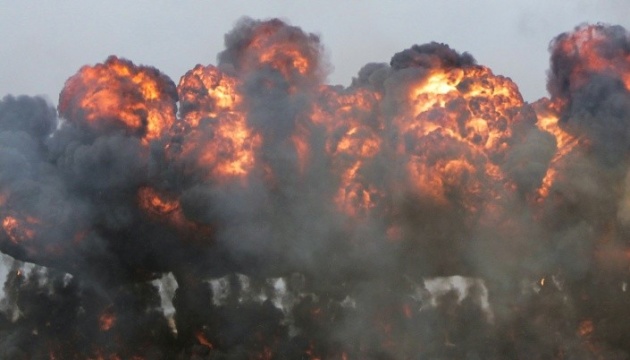
Drone Attack on Oil Refinery in Perm: Implications for Russia's Fuel Market
A fire broke out at a major Lukoil oil refinery in Russia's Perm Krai following a reported drone strike.
 🧠AI Analysis
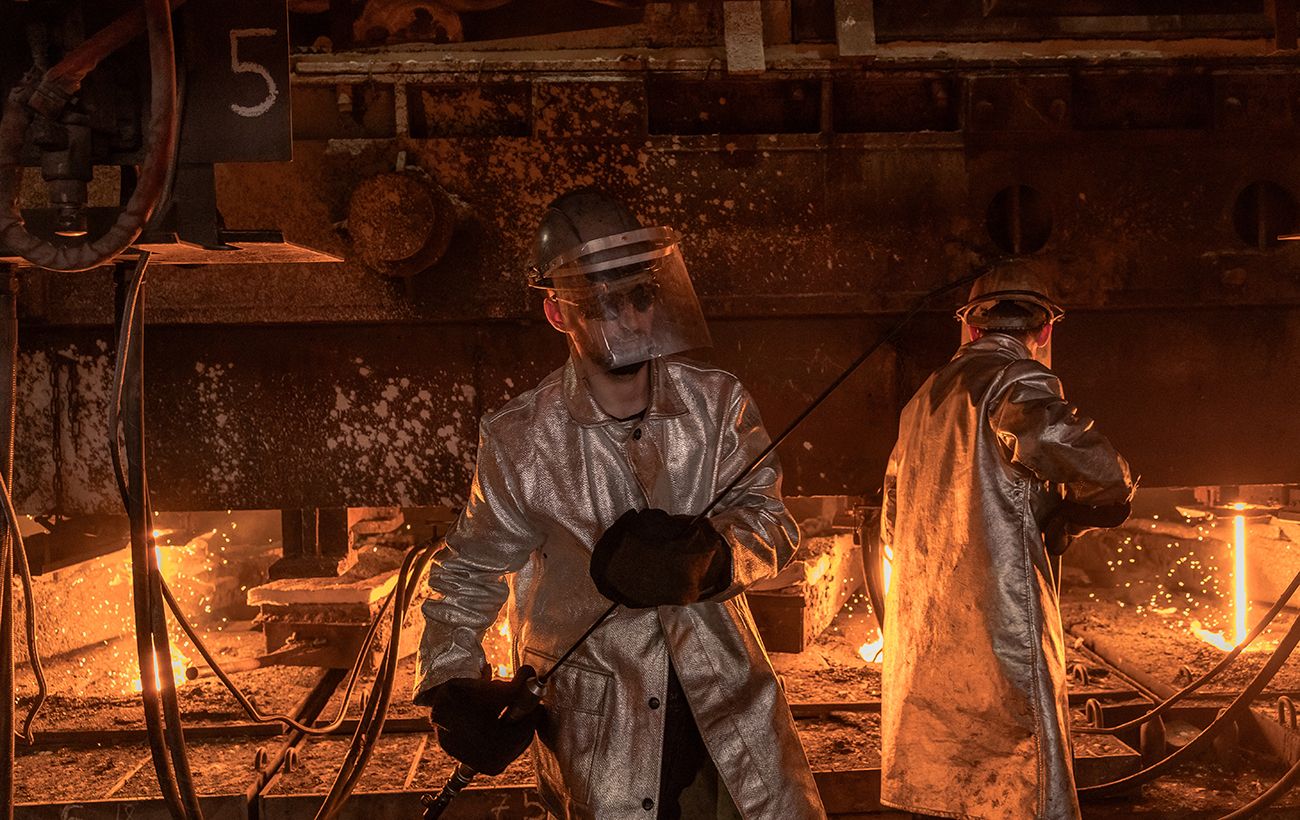
ArcelorMittal Kryvyi Rih Shutdown Threatens Reservation for Thousands of Metallurgists: Experts Demand Government Action
Due to production suspension at ArcelorMittal Kryvyi Rih, workers face losing economic reservation rights because of lower downtime wages. Experts urge the government to …
 🇺🇦Ukraine
European Commission Launches Antitrust Probe into Coca-Cola Bottler
The European Commission is investigating Coca-Cola Europacific Partners over suspicions of hindering the free trade of beverages between EU member states.