Political Crisis in France: The Risks Behind Emmanuel Macron's Declining Power
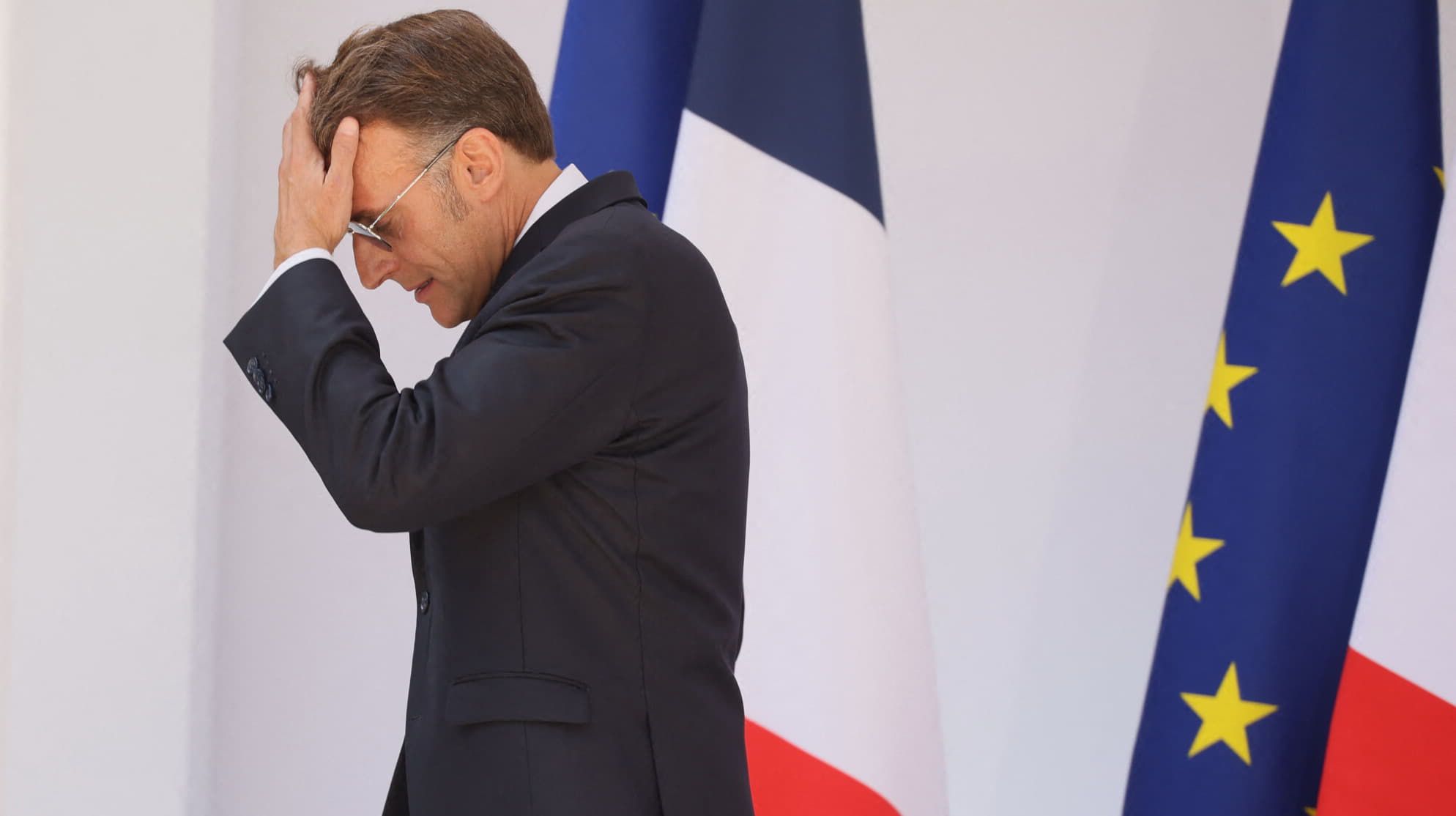
France is facing a severe social and political crisis amid the weakening position of President Emmanuel Macron, whose governance style has drawn comparisons to a monarchy.
 🚨Events
Photo: Ukrainska Pravda
Key points
- France is experiencing a profound social and political crisis.
- Emmanuel Macron's top-down governance style has led to his political isolation.
- Radical political forces are positioned to challenge for power in upcoming elections.
The French Republic has been enduring a deep social and political upheaval for over a month. Incumbent President Emmanuel Macron is facing a crisis he is no longer able to contain, raising serious concerns ahead of the upcoming presidential elections. The situation is deteriorating months before a potential showdown between radical political forces led by Marine Le Pen and Jean-Luc Mélenchon.
Historical Context and the Collapse of the Centrist Project
The current head of state's struggles are not unique in modern French politics. Since 1962, nearly every French president has ended their term experiencing a sharp decline in popularity due to economic difficulties, political scandals, or ideological divisions. Figures such as Charles de Gaulle, Valéry Giscard d'Estaing, Nicolas Sarkozy, and François Hollande all faced severe legitimacy crises by the end of their tenures.
When Macron came to power in 2017, he promised to transform the political landscape and move past the traditional left-right divide. However, he made critical missteps by relying on a top-down governance model and sidelining intermediary institutions such as political parties, regional councils, and local mayors. His movement never evolved into a well-organized political party, remaining little more than an electoral campaign headquarters.
Implications for the Country's Political Future
An authoritative leadership style and attempts to rule without intermediaries between the president and the people have left the leader profoundly isolated. French political culture traditionally favors strong executive power, yet the public eventually grows weary of leaders acting like monarchs. A concerning takeaway is that potential successors may share similarly authoritarian views on popular sovereignty.
Source Ukrainska Pravda — pravda.com.ua/columns/2026/11/19/8063587/ ↗
Read next
 🇺🇦Ukraine
ISW: Why Kremlin's Humanitarian Proposals for Kostiantynivka Are Unfeasible
Analysts at the Institute for the Study of War explain why Russia's proposal for evacuation from Kostiantynivka lacks military and logistical grounds.
 🛡️Security
Another attack on the Novoshakhtinsk oil refinery: implications for Russian logistics
On the night of November 23, the Russian Novoshakhtinsk oil refinery was hit, affecting fuel supplies for the Russian army.
 🏙️City
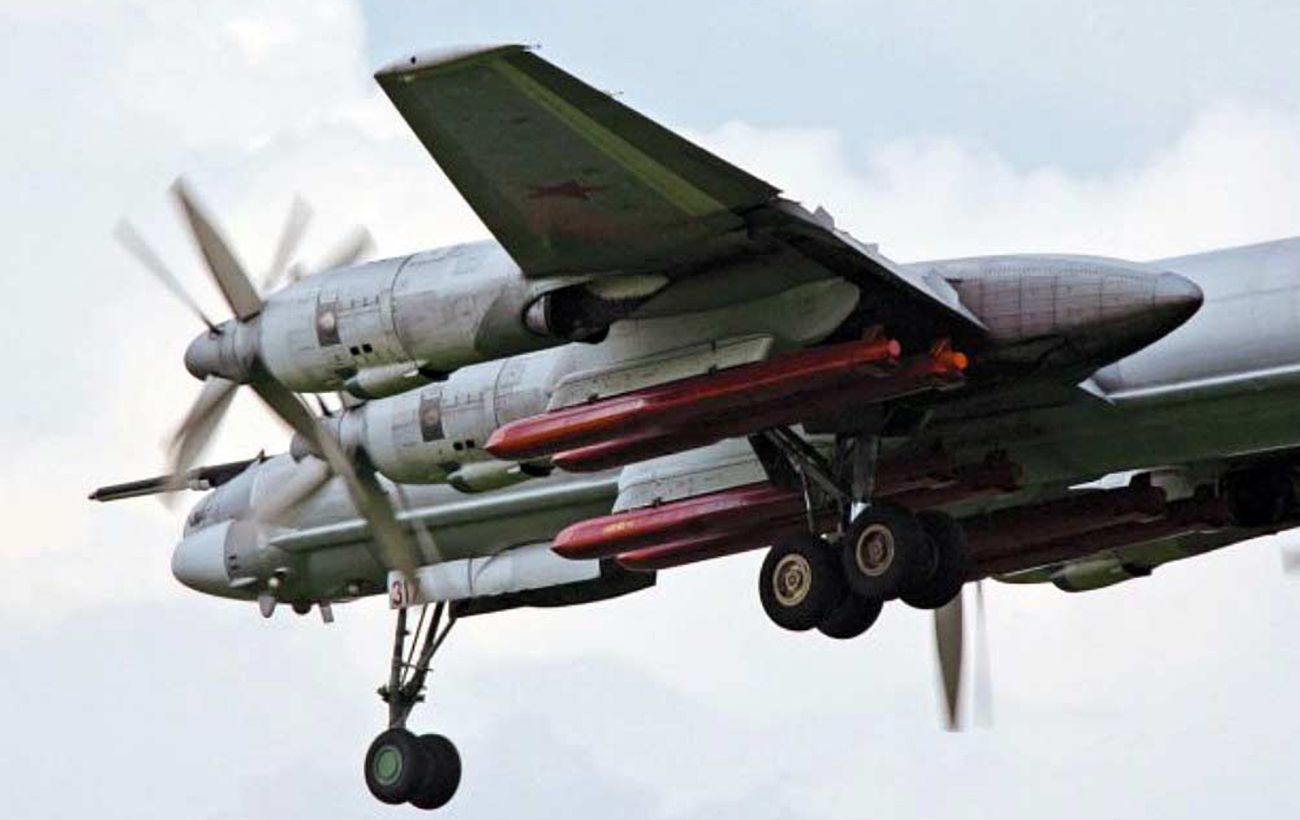
Fragments of latest Russian missiles found in Poland
Wreckage of X-101 cruise missiles, produced in late 2026, has been discovered in eastern Poland, prompting NATO to discuss strengthening its eastern flank.
 👥Society
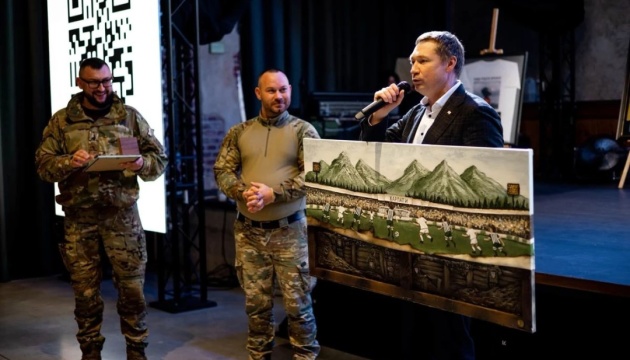
Charity auction in Lviv region raises UAH 60 million for defenders
A large-scale charity auction in the Lviv region has successfully raised funds for drone procurement and the rehabilitation of a wounded soldier.
 🏛️Politics
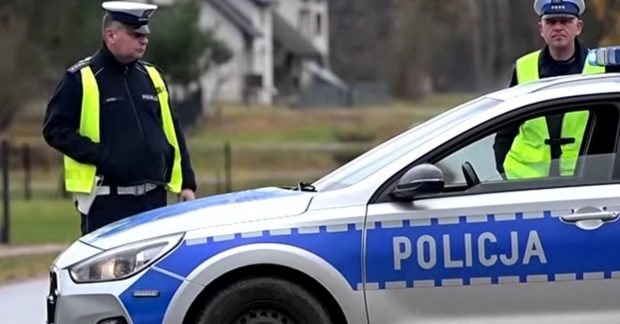
Russian missiles breach Polish airspace: incident details
Polish authorities have labeled the intrusion of Russian missiles and a drone into their airspace as a deliberate provocation.
 💡Tech
Nighttime UAV Attack: Technological Challenges and New Countermeasures
On the night of November 23, Ukraine faced a massive strike by combat drones, including the use of jet-powered UAV models.