Future Space Technologies: Key NASA Developments for a Permanent Moon Base
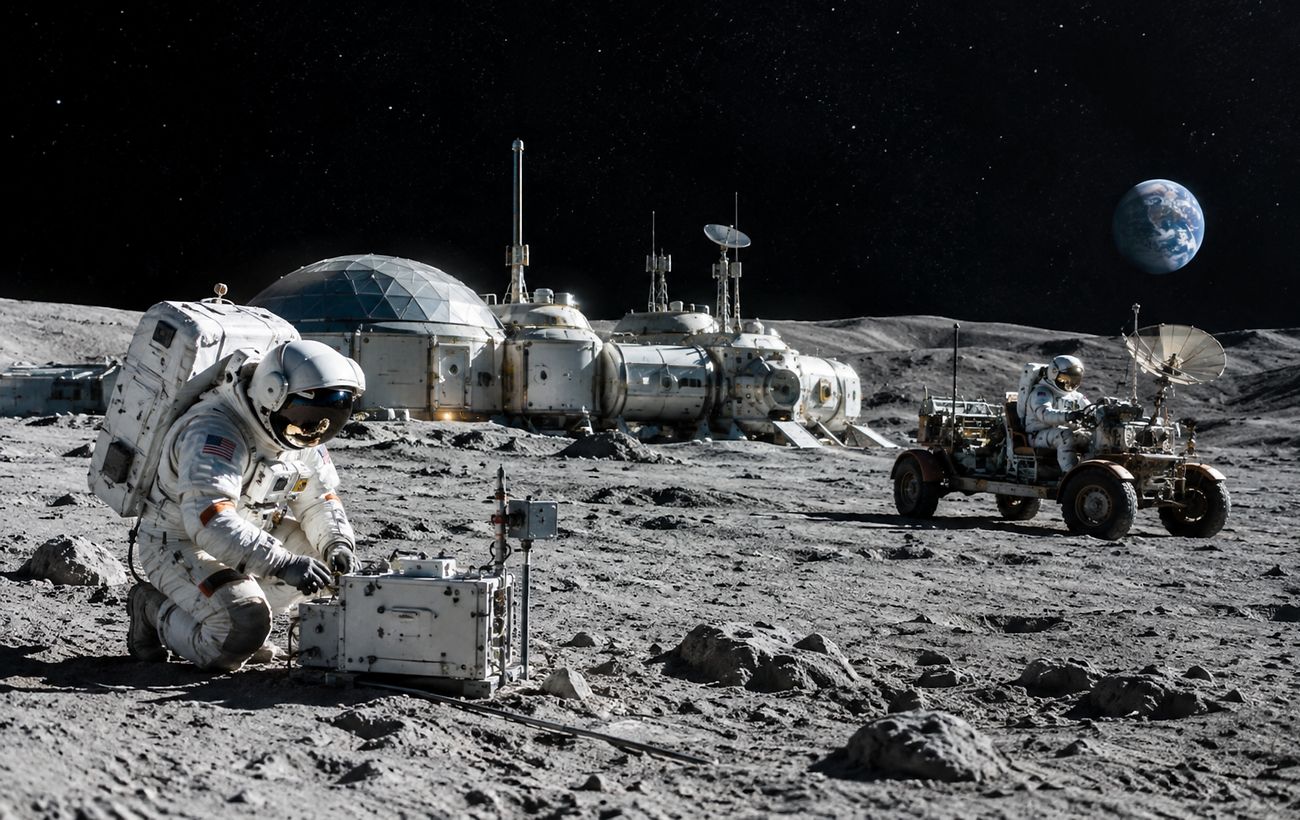
NASA is actively working on crucial technologies required to establish a permanent human presence on the Moon.
 🎓Education
Photo: RBC-Ukraine
Key points
- NASA develops technologies for a lunar base
- Nuclear reactors will provide stable power
- Local resource utilization reduces mission costs
Space exploration requires solving exceptionally complex engineering challenges, ranging from power generation to life support and radiation shielding. Today, researchers and space agencies are focusing on the critical innovations needed to sustain long-term human presence beyond our planet. Without these advancements, ambitious interplanetary missions remain unfeasible.
Energy and Autonomy of the Lunar Settlement
Traditional solar panels alone cannot guarantee uninterrupted power due to the lunar cycle, where daylight and darkness each last about two weeks. To overcome this limitation, engineers are developing vertical solar arrays, radioisotope generators, and compact nuclear reactors, with the first unit targeted for 2030. Furthermore, mission sustainability will heavily rely on utilizing local resources, such as extracting polar ice for water and oxygen to reduce expensive supply loads from Earth.
Protection Against Harsh Space Environments
Beyond energy hurdles, future lunar inhabitants will face hazards like galactic radiation and abrasive lunar dust that easily damages equipment. Researchers are testing electrodynamic dust shields and planning to cover habitats with thick layers of regolith for radiation mitigation. Such technological leaps not only expand humanity's reach but also continually inspire educational pursuits and modern technological advancements back on Earth.
Source RBC-Ukraine — rbc.ua/ukr/news/vid-dernogo-reaktora-5g-shcho-potribno-nasa-1794836… ↗
Read next
 🛡️Security
Kerch Bridge Strike: European Intelligence Evaluates Impact on Logistics
Recent strikes on the Kerch Bridge have dealt a significant blow to the aggressor's military supplies in Crimea and strained enemy logistics.
 🩺Health
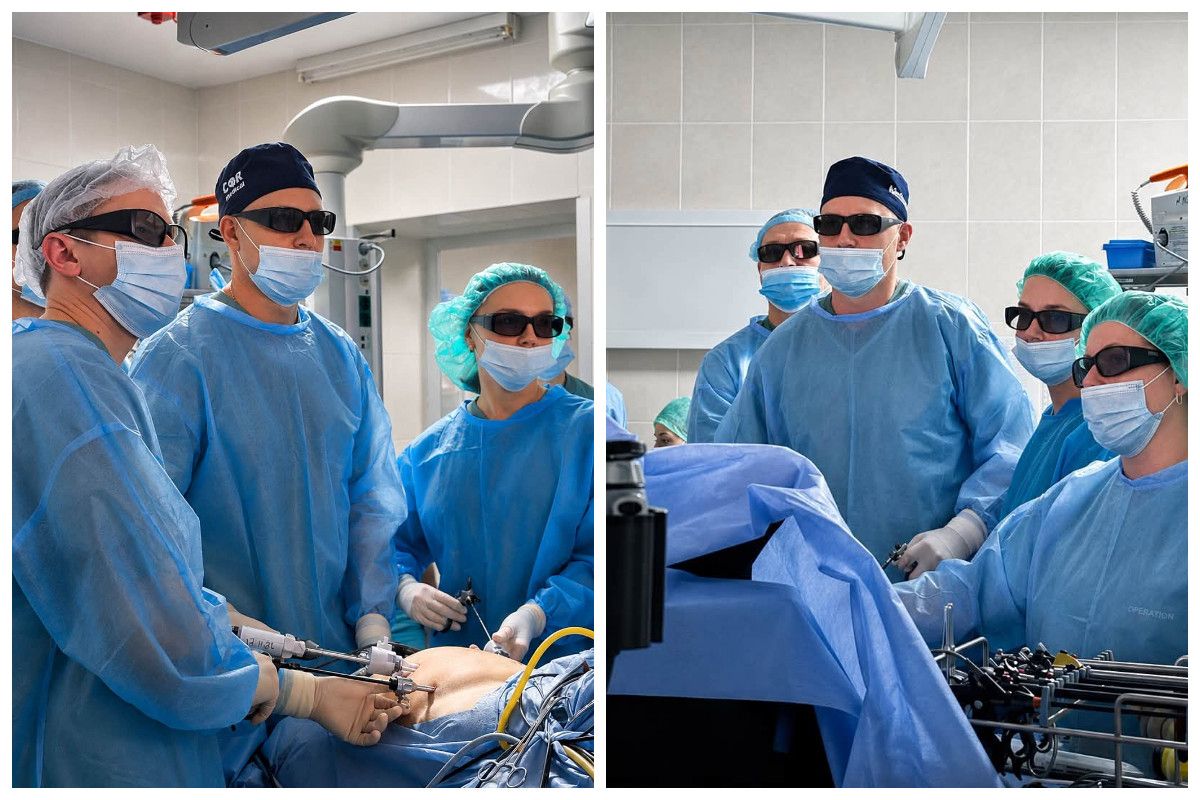
Vinnitsia Regional Hospital Performs Unique Laparoscopic Surgery for Cancer Patient
Vinnitsia surgeons performed a complex five-hour bladder cancer removal surgery and reconstructed a new organ using intestinal tissue.
 🚨Events
Russian Attacks Halt ArcelorMittal Kryvyi Rih: Zelenskyy Urges India to Respond
Ukraine's largest steel plant enters cold shutdown following Russian strikes, prompting President Zelenskyy to call for a reaction from Indian PM Narendra Modi.
 🚌Transport
Russian drone attacks railway station in Sumy region, injuring three
On the morning of November 21, Russian forces launched a drone strike on the railway station in Krolevets, Sumy region, injuring three civilians.
 💼Economy
Global Threat to the Labor Market: Expert Predicts Mass Dependency on State Aid Due to AI
The rapid development of artificial intelligence could lead to the disappearance of traditional employment and a shift toward government subsidies for humanity.
 💼Economy
Why a water drop icon appears on Samsung phones and how to fix it safely
A water drop notification on Samsung devices indicates moisture inside the USB-C port. The manufacturer outlines safe drying methods and common mistakes to avoid.